Interaction Design projects

Health Tech: TEMP Port
TEMP Port is a concept developed as the final result of a co-design process with nurses, through workshops, shadowing, interviews, and feedback sessions. This process took place at the elderly patients private homes, nurse office, and the design studio. It is particularly developed for nurses who have to delegate and ensure that the elderly patients get the correct medicine doses at the various private homes. The main two problems we identified and which the concept aims at alleviating is the combination of 1) the overburden of documentation time required for nurses, taking them away from what they are best at and is highly needed: being with the patients, and 2) the technical and organisational limitations of the non-centralized IT systems. The TEMP Port is light, portable, and has the size and shape of a notebook, much like the ones the nurses bring along (A6) their visits. The TEMP Port allows a nurse to document while being with the patient, instead of having to go back to the office. The interface centralizes all the necessary and most used functions the nurse needs to make: medicine dose look-up, changes, and additions of new medicine doses. There are four rows representing the box pills they work with (morning, noon, afternoon, night) so they have the overview they need. Simultaneously, nurses can record new dose changes based on patient feedback (bad medicine effects, recent changes not updated yet, etc.). Any change made with the TEMP Port will synchronized to the app nurses have on their phones and to the IT systems where these need to be documented. This alleviates the documentation time. The pressure sensors can be used with gloves to make it compatible and comfortable as nurses wear these when delegating pills in containers. A functional prototype was developed, utilizing Arduino, electronics wiring, Bluetooth, NFC tags and reader, LED for visual feedback and piezo for audio feedback.
Music & Posture — AM#CHAIR
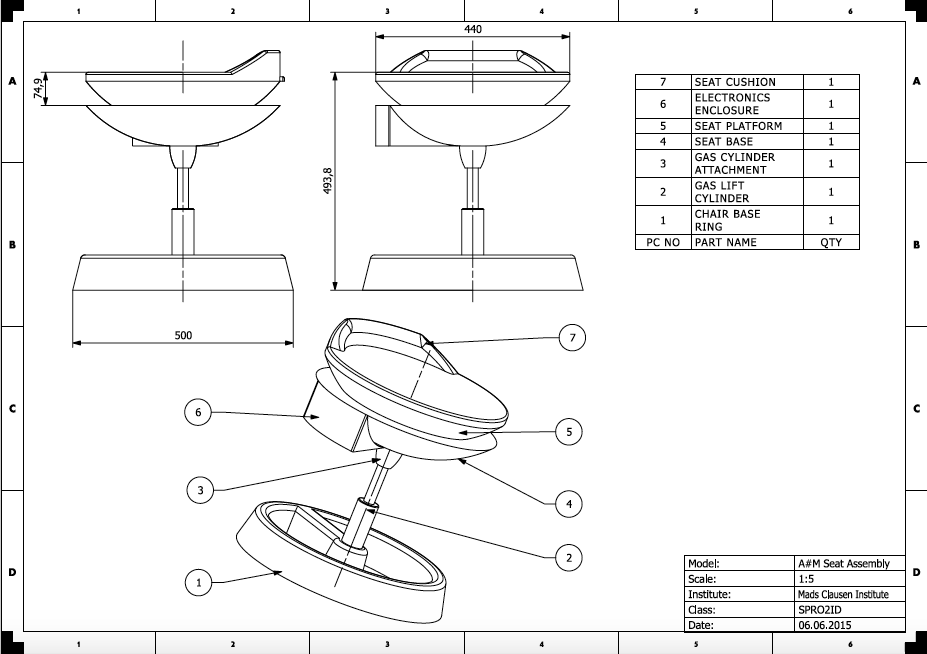
AM Chair takes a balance board into your seat, and implements principles of fysiotherapy and ergonomics to support active sitting. Furthermore, the movement can be turned into a music control device, where you choose to add different effects to your music as you move (Midi). It is designed for people with sedentary work and who need to keep an active back. As people often listen to music when doing desktop work such as studying, the music helps you to keep in dynamic interaction and thereby regain body awareness. You can change a song by moving to the sides(right and left) and add effects by moving back and forth. The chair can be programmed to alarm you after 20 min. of inactivity. One effect og inactivity can be a slow descent into deeper tones of whatever music you lsiten to, lowering volumes or adding a flanger effects. This chair was developed in collaboration with music students at Sønderborg Music school, and tested with university students. The functional prototype used arduino, basic wiring, an accelerometer and midi programming.
Interfaces — Identity display
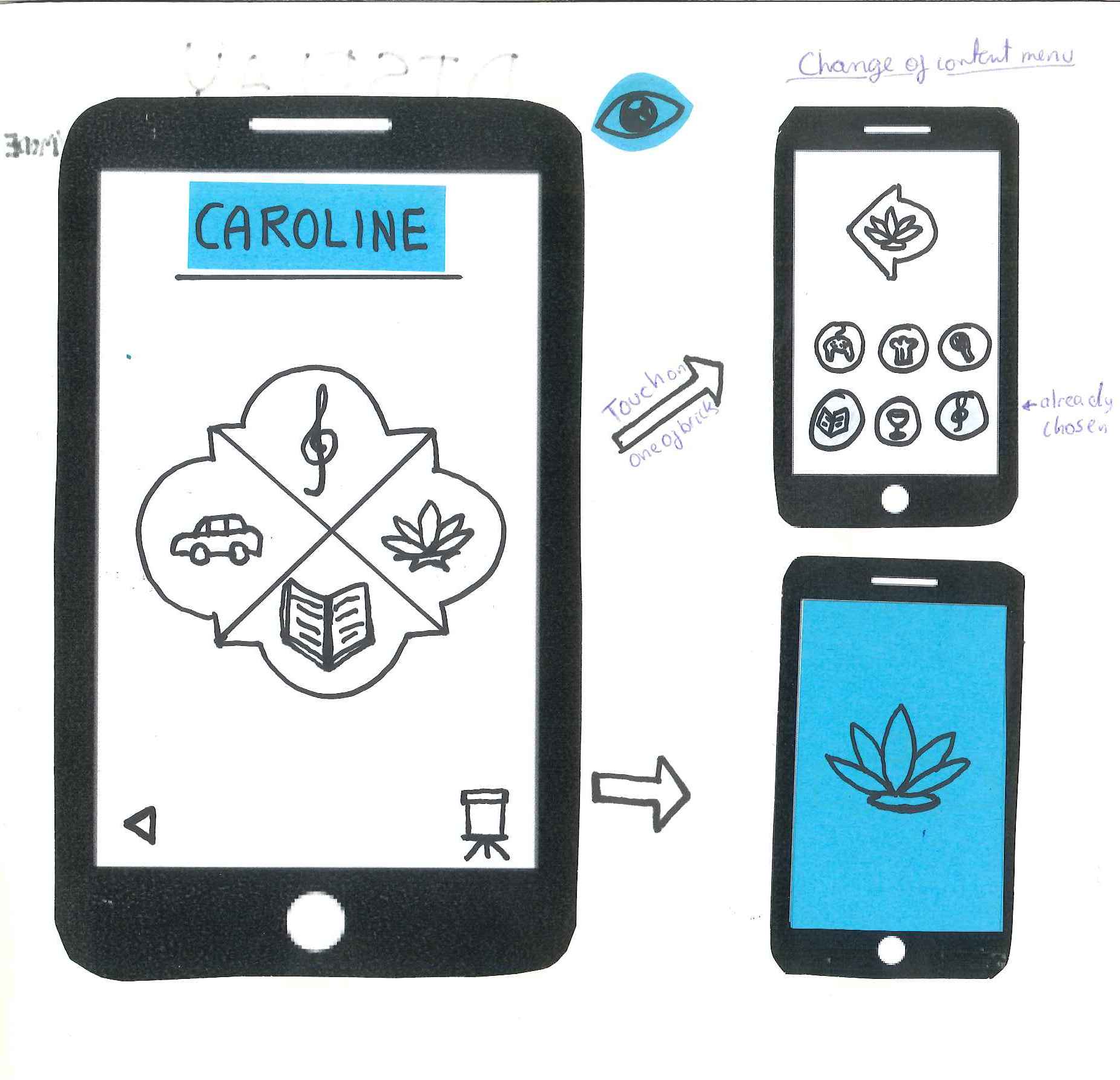
This project explores alternative ways to construct, deconstruct and share identities and narratives about identities. As a response to the stereotypes and fear of the unknown, encountered by both the local community and the newly arrived asylum seekers, these concepts aim to expose the possibilities of defining oneself and others. There are two basic aspects — a weareable device and app. Within the economic limits of the end-users (asylum seekers) we wanted to explore utilizing the phone ( a device most of them used) as a weareable device which displays actively to people who pass by. By utilizing the idea of badges, more popular among punk groups or scouts, we explore the possibilites to flipping the screen to the outer world. As asylum seekers flee from wars, prosecution or devastation, they often leave friends or families behind. Their world become encapsuled in their mobile phones and they can close in to the stories shared across the world. Sitting most days at the asylum center waiting for a reply to their case, this isolates them further to the broader society. as their identities collapse in to ebieng a refugee. This device does not pretend to solve the complex issues in these area, rather exemplify the possibilities for interaction with simple elements available.
Through visits, cultural props, interviews, and one large workshop — the elements which can be displayed to others were defined. This resulted in the design of badges to communicate visually. Asylum seeksers were part of the whole process in this project.
Educational Tool — Offline MyMe Box
As the digital infrastructure and connectivity improves in Myanmar, solutions that deliver content from the world wide web will be a significant factor to consider. The immense online databases that most popular platforms e.g. Google or Facebook contain are limited when it comes to Myanmar languages, making accessibility of knowledge, engaging resources and thereby educative materials scarce. Furthermore, and in terms of the physical space, the distance to nearest educational institutions from can prove challenging for some children. One of the groups least benefitting from overall national development of education are out-of-school children, in the rural areas as well as the urban areas. Myanmar Mobile Education Project (myME) is currently working on the development of the myME box concept, which aims at the delivery of educational content in Burmese and some ethnic languages near or at the student’s homes.
The materials are desired to be engaging and allow children from an early age (5 years old) and upwards. The myMe Box uses affordable and open-source technology as Raspberry pi®. Handheld devices e.g. mobile phones with wi-fi compatibility, are the interface of the content from the device. My role was leading and coordinating with all memebers of the team, the design of the interface, data gathering, analyzing, testing and documenting.
The report can be accessed HERE.
Innovation in schools — Research in Myanmar
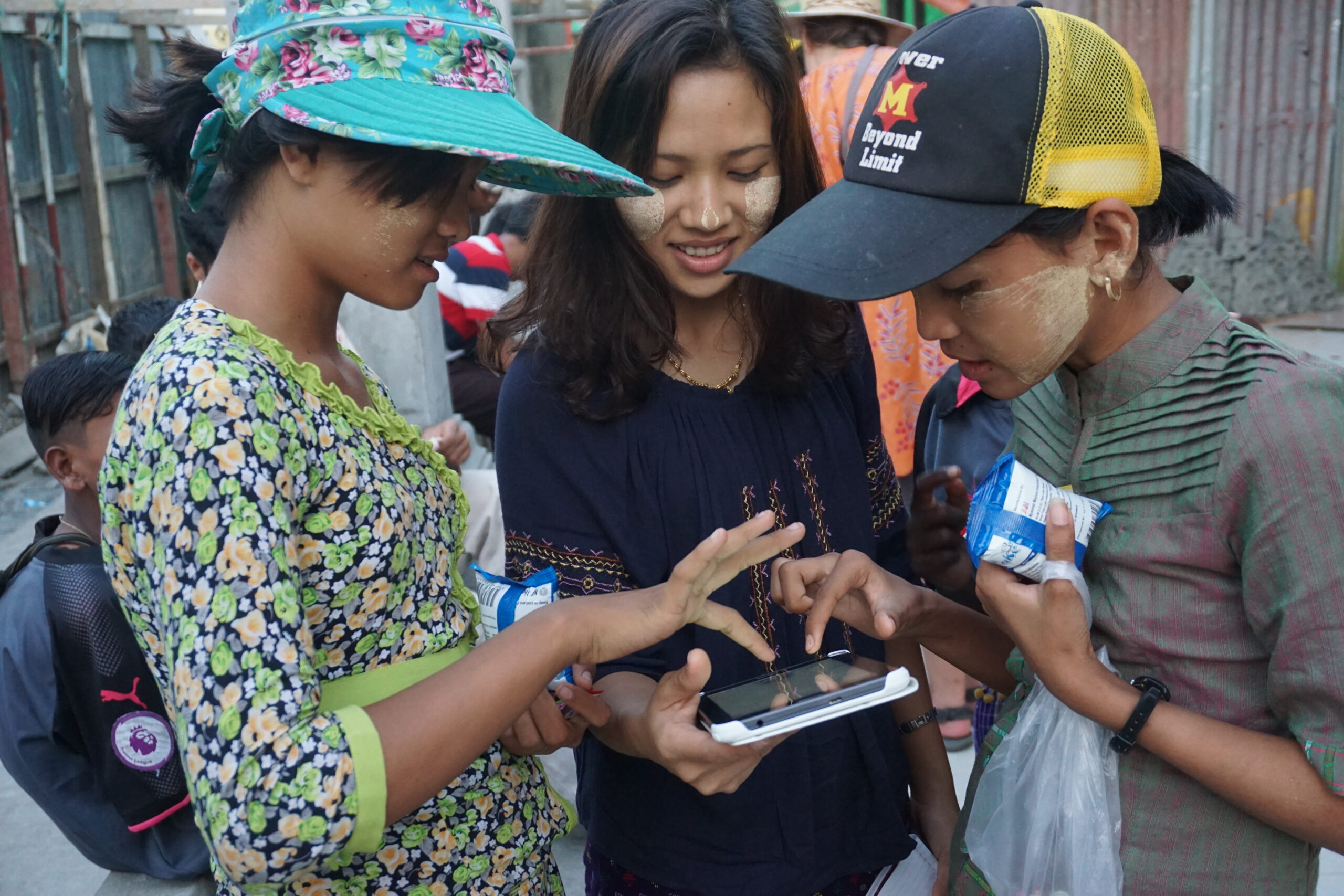
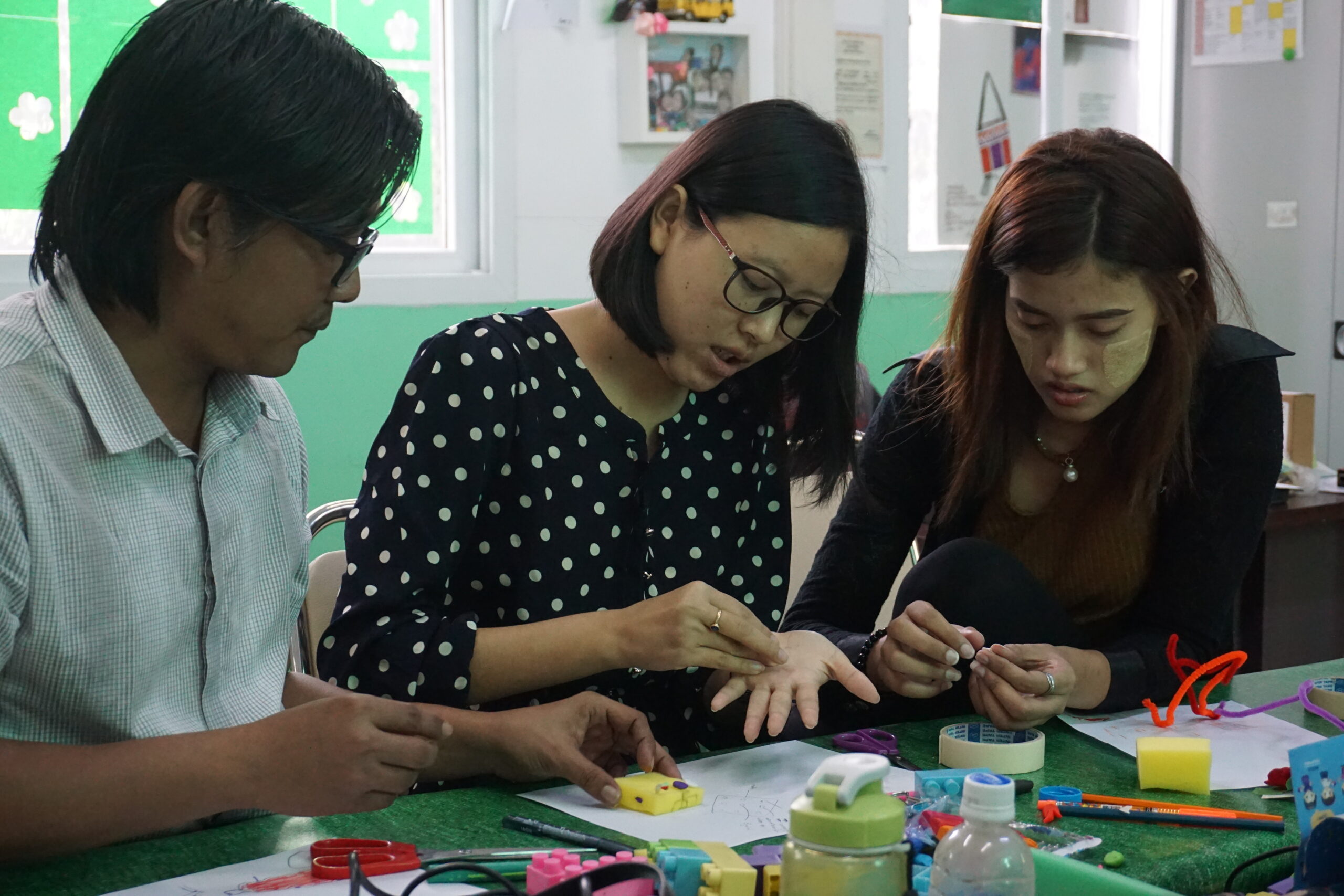
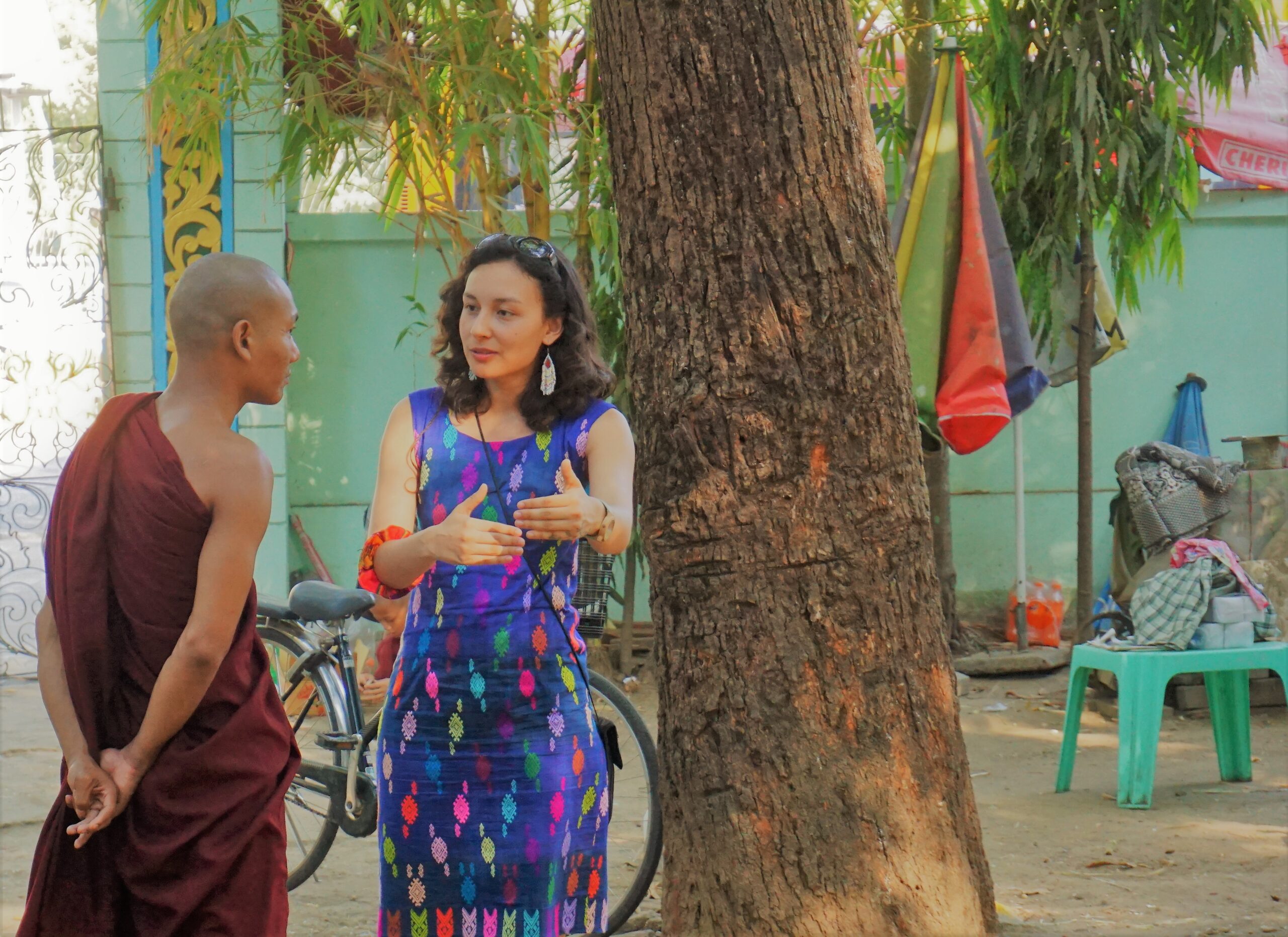
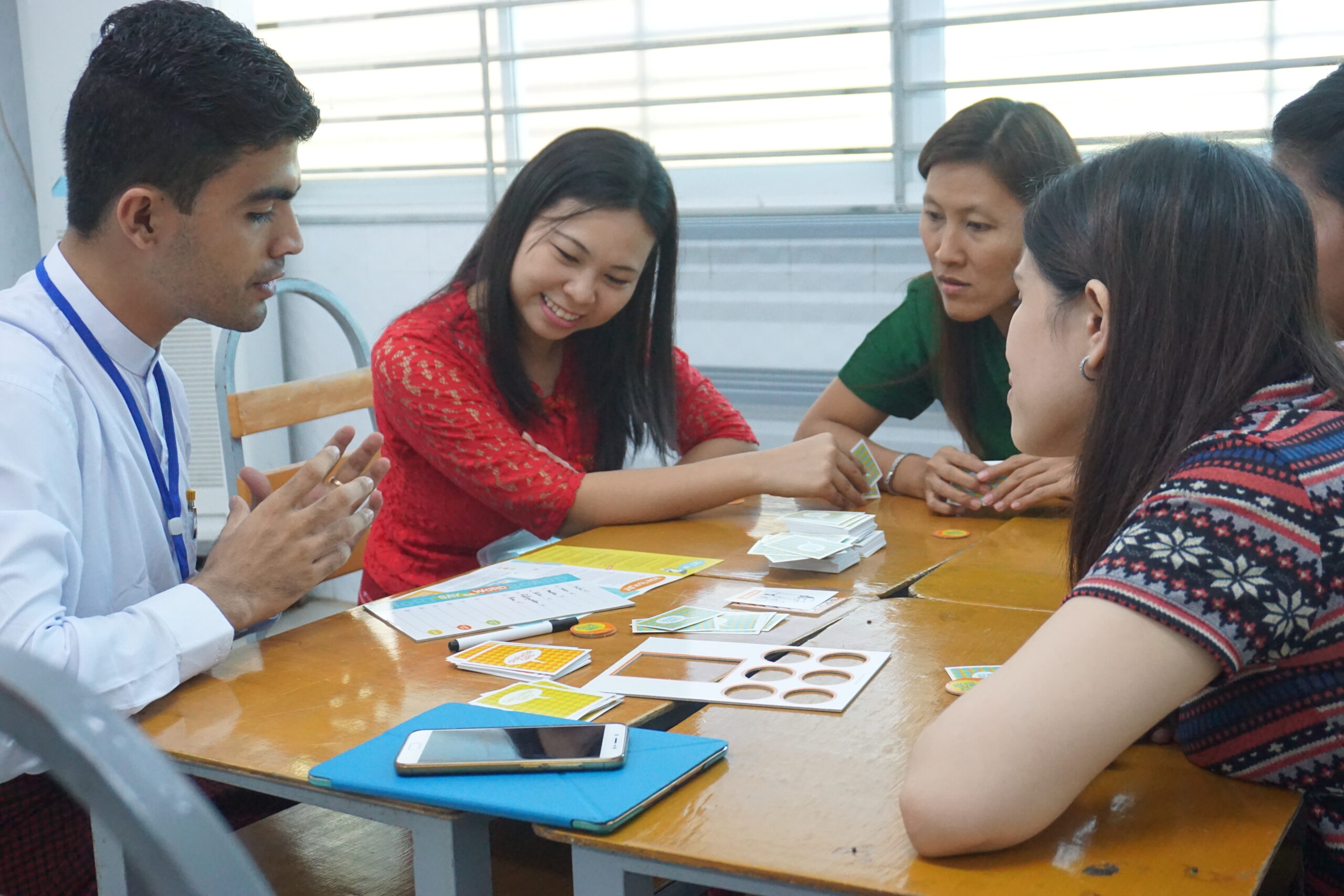
How can the necessary 21st century skills be integrated in current curriculum and in the Burmese educational system? That is the question I brought along in what started as an inquisitive solo journey from Denmark, to a collaborative implementation of workshops in a school in Yangon. As my first time in Myanmar and without on-ground support or a leader to direct, I spent most of the time researching, interviewing, networking and evaluating the potential and opportunities in every encounter. After applying ethnographic methods of inquiry, and data analysis I focused on non-formal methods which support innovation and active participation of students. The teachers were presented to different concepts and games, while simultaneously being given the platform to point out where they would like to see a change. The school principal was involved, the teachers and the students, in a variety of workshops that explored the limitations and possibilities of implementing new ways of learning at a private school. The willingness for change is there from both the management, teachers and students. Nevertheless, more important actors excerpting pressure are parents and the expectation of traditional ways of learning. More reforms to update the curriculum is also needed. These mentioned actors and aspects need to be further taken into consideration in future investigations. Another conclusion of this research was the opportunity of monastic schools as entrance to implementation of progressive and more experimental methods, as they are often more open to deviate from the main curriculum demands. This project was executed with guidance and collaboration with the World Education Foundation in Yangon, Myanmar. You can see the report HERE
Design Consultancy — ANDURA
ANDURA was a simulation consultancy design company spearheaded by three interaction Design students, one being me. Through a collaborative semester, we offered our services to fellow engineering faculty peers (Mechatronics and Innovation & Business). We supported with design tools, methods and deliverables to total of 4 teams (11 ‑13 people in each team) with different projects. Each project was done in collaboration with industry actors such as Danfoss, Linak, ProjectZero and GreenWater. The video is part of our marketing material to communicate our skills as Interaction designers for our peers and others with future interest.
Sustainable Design projects
Emission reduction at Rigshospital — N2O
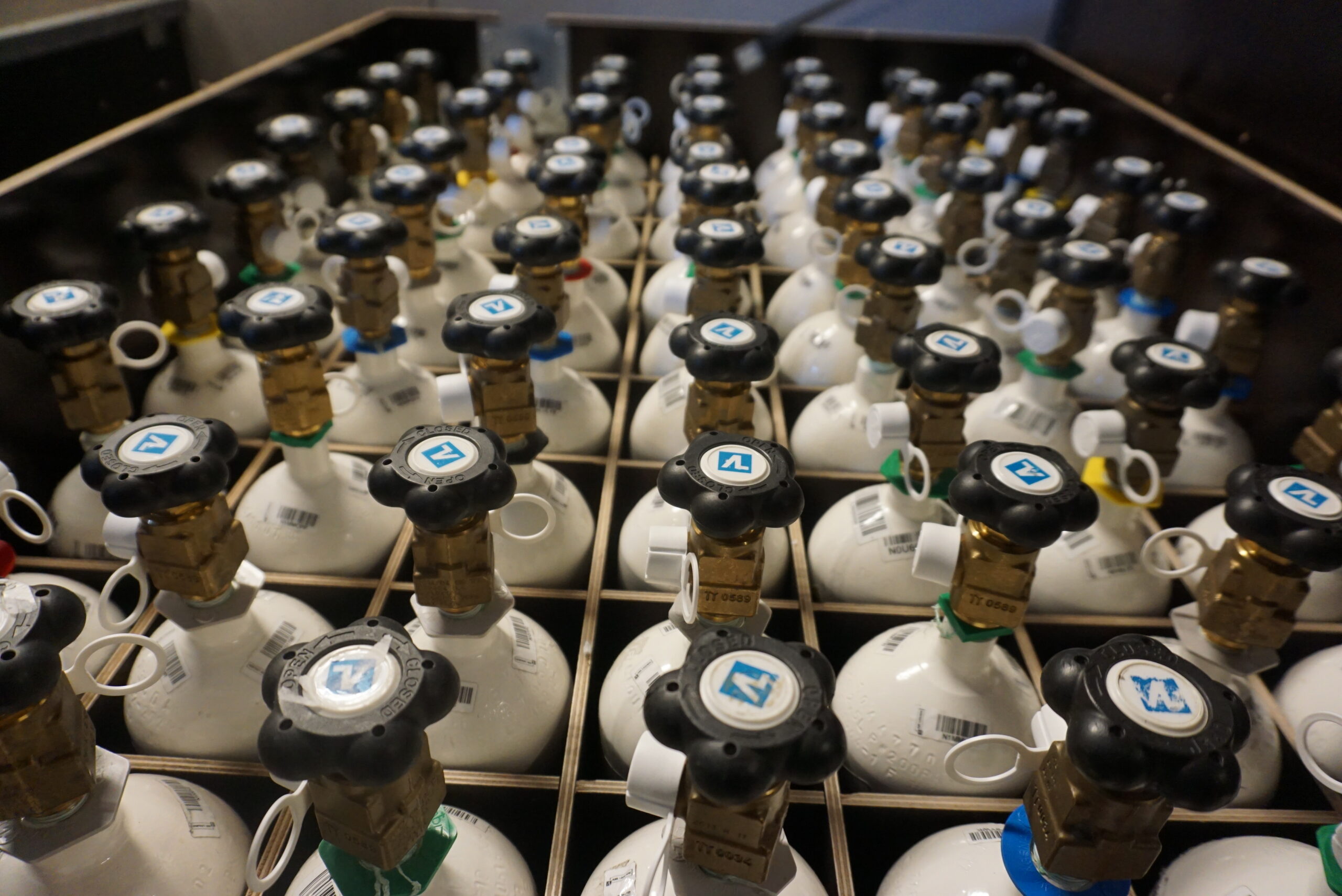
The purpose of this project was to reduce greenhouse gas emissions from the use of N2O as a pain
reliever at the maternity department at Rigshospitalet. At the time the hospital utilized approximately 4.5
tonnes of N2O annually. As N2O has a GWP-value of 273 it is a huge contributor to the hospital’s total emissions. Meanwhile, N2O is a highly valuable pain relief during labour and have, based on findings, been deemed irreplaceable for both patients and midwives. Based on Unruh’s “Understanding lock-in” (Unruh, 2000) theory, we identified organizational, institutional and technological sub-sources have over time constructed a Techno-Institutional Complex. Three concept proposals were identified and proposed: A technical End-of-Pipe solution “N2O Destructor”, the concept of improving patient experience in order to increase birth hormones which has shown to reduce the need for pain relief, and lastly a concept of re-circulation of the used gas. We did research„ field visits, interviews, workshops and collaborated closely with environmental consultants at Rigshospitalet.
Co-design through WhatsApp — Waterpump in Uganda
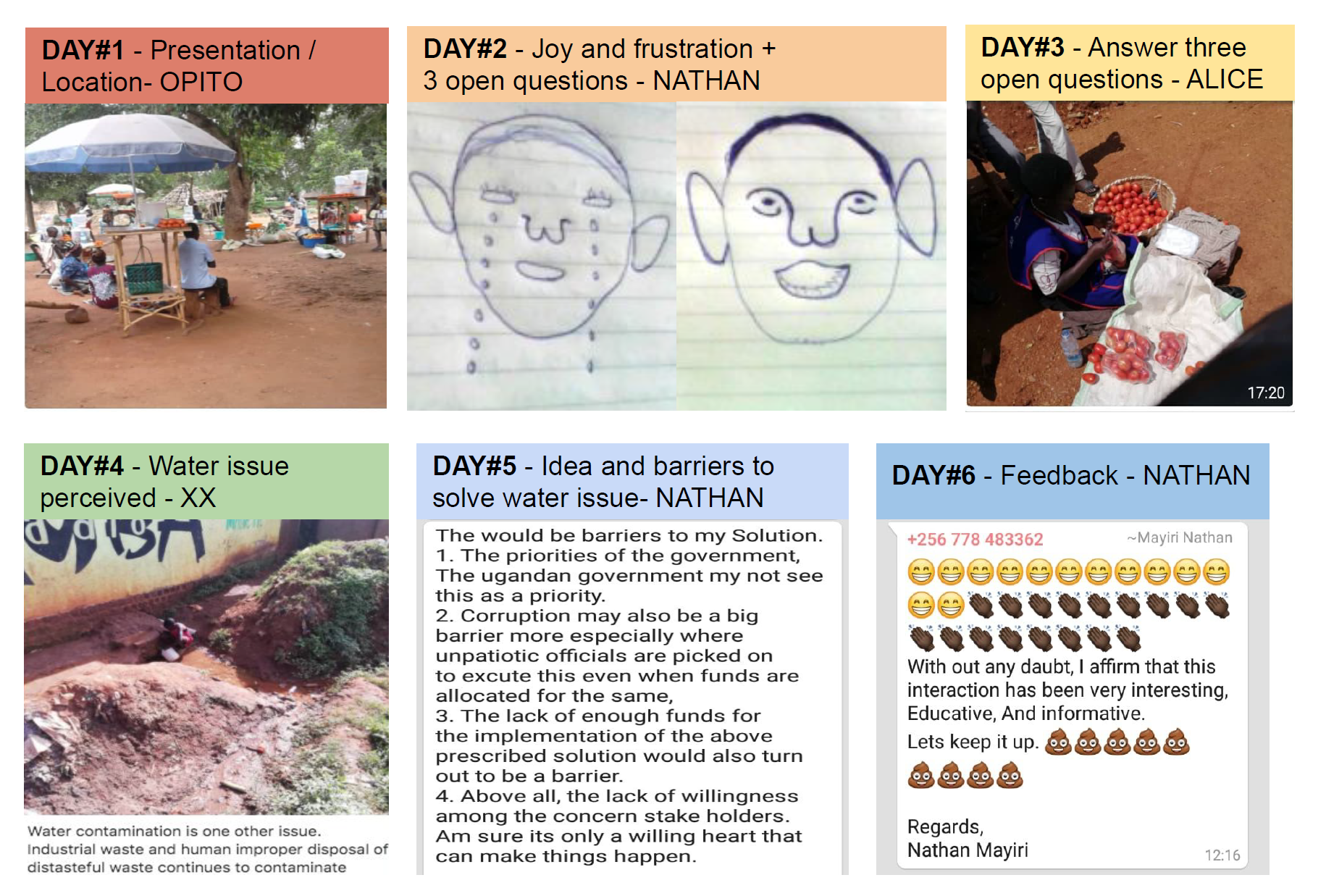
This project took place during the COVID19 pandemic in 2020, which means that all parts of the project cycle were digital/online and somewhat experimental. We collaborated with a small danish company, Much More Water, who had a prototype of a bike water pump to be installed in rural Uganda. Nevertheless, much literature about development projects in particularly African countries underline the issue with long term maintenance and success of technologies installed by outside companies. Our focus was to reach out and get an assessment of such a concept, with local people in the region. We created a 5‑day-challenge to gather insights and gamify our knowledge exchange with locals. The needs assessment resulted in key insights for further development of the product and business proposal from Much More Water.
Forest protection through GIS & indigenous community empowerment
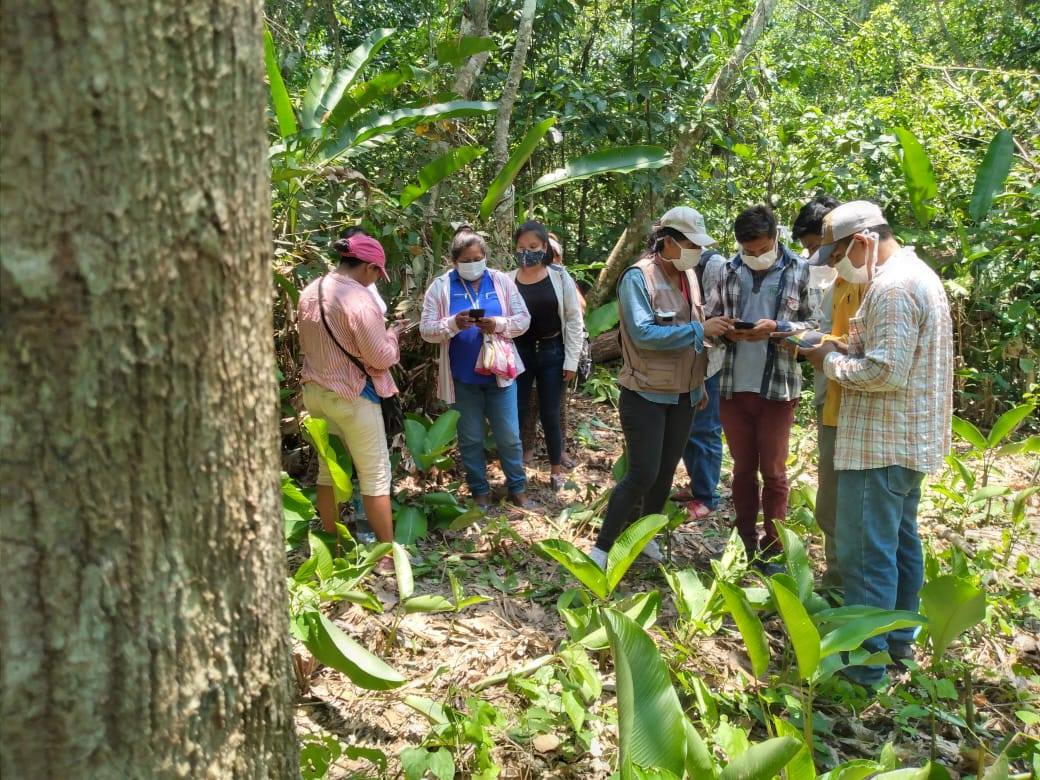
We collaborated with IWGIA, an international NGO who advocates and supports indigeneous communities worldwide. We focused on supporting their partner prganisation CPTA, a local Bolivian organisation, which provide capacity training for indigenous communities in the rainforests of the TIM region. Although the project was envisioned to be done with physical presence in the field, the pandemic kept us working online. We supported in finding strategies to improve their involvement, engagement and overall thinking form a sustainability stand-point. We proposed ways where they could ensure long-term benefit for the indigenous people, once their project would terminate.
We conducted online interviews, workshops and attended their trainings. Furthermore, due to the language barrier, we also engaged 5 volunteer student translators from Aarhus University, who helped us with transcripts from Spanish — English.
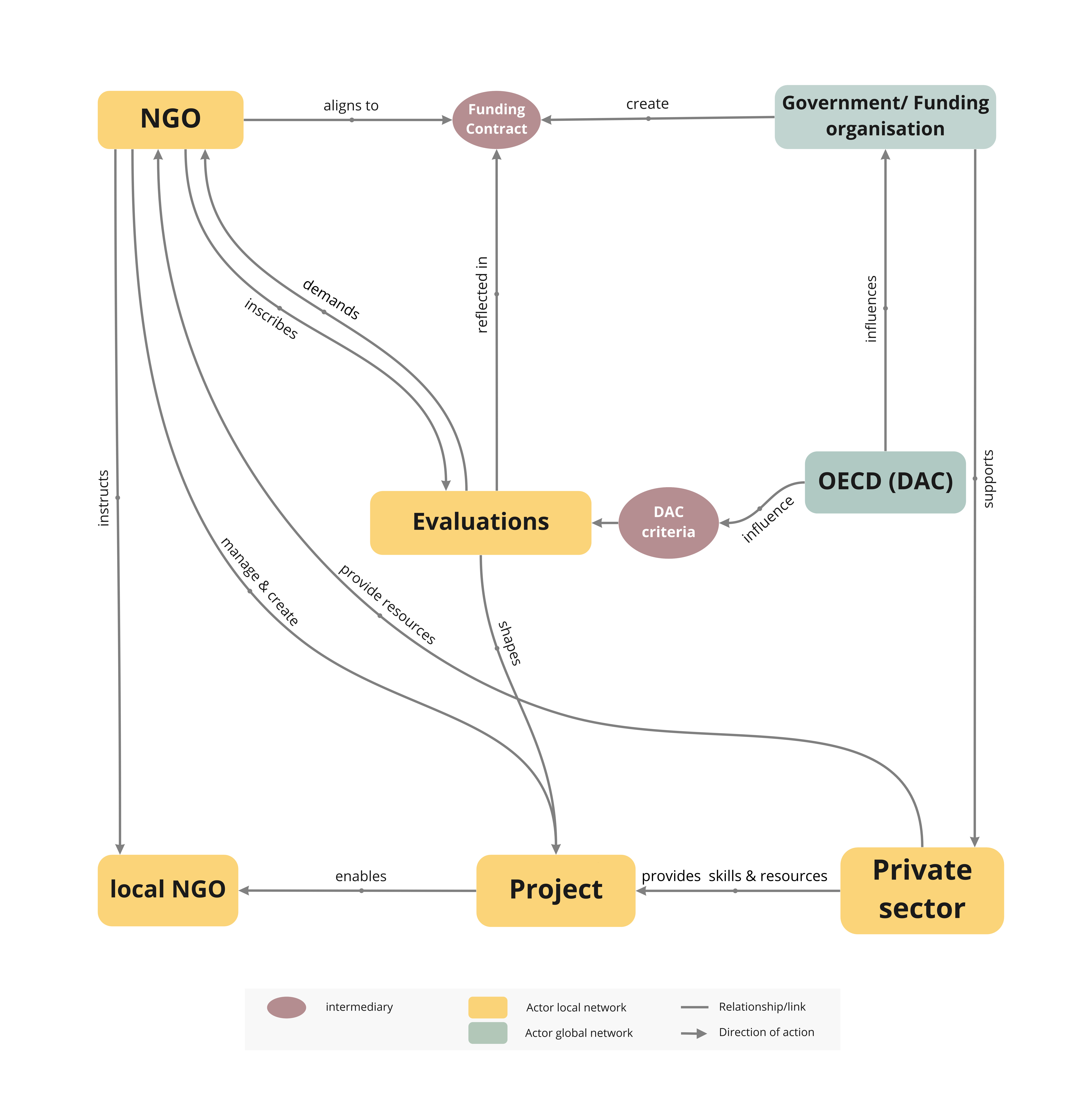
Study of the funding, design and evaluation systems of government funded development — NGOs
In this project we explored the following question: How might NGOs navigate the tensions created within the governmental funding system to design sustainable international projects? To grasp the development field, we engaged and staged ‘negotiation’ spaces as interactive digital interviews with various NGOs e.g. CARE, DanChurch Aid, Periamma, WWF and more. Through this project we outlined the tensions of living up to the pre-written contracts and expectations as fund-receiving organisation vs. the high unpredictability nature of the context these projects usually take place. We propose three concepts ideas to further approach the strategies and aiming to reconfigure the networks, with notions from Autonomous Design (Escobar, 2017) and Participatory Design.