Sustainable Design projects
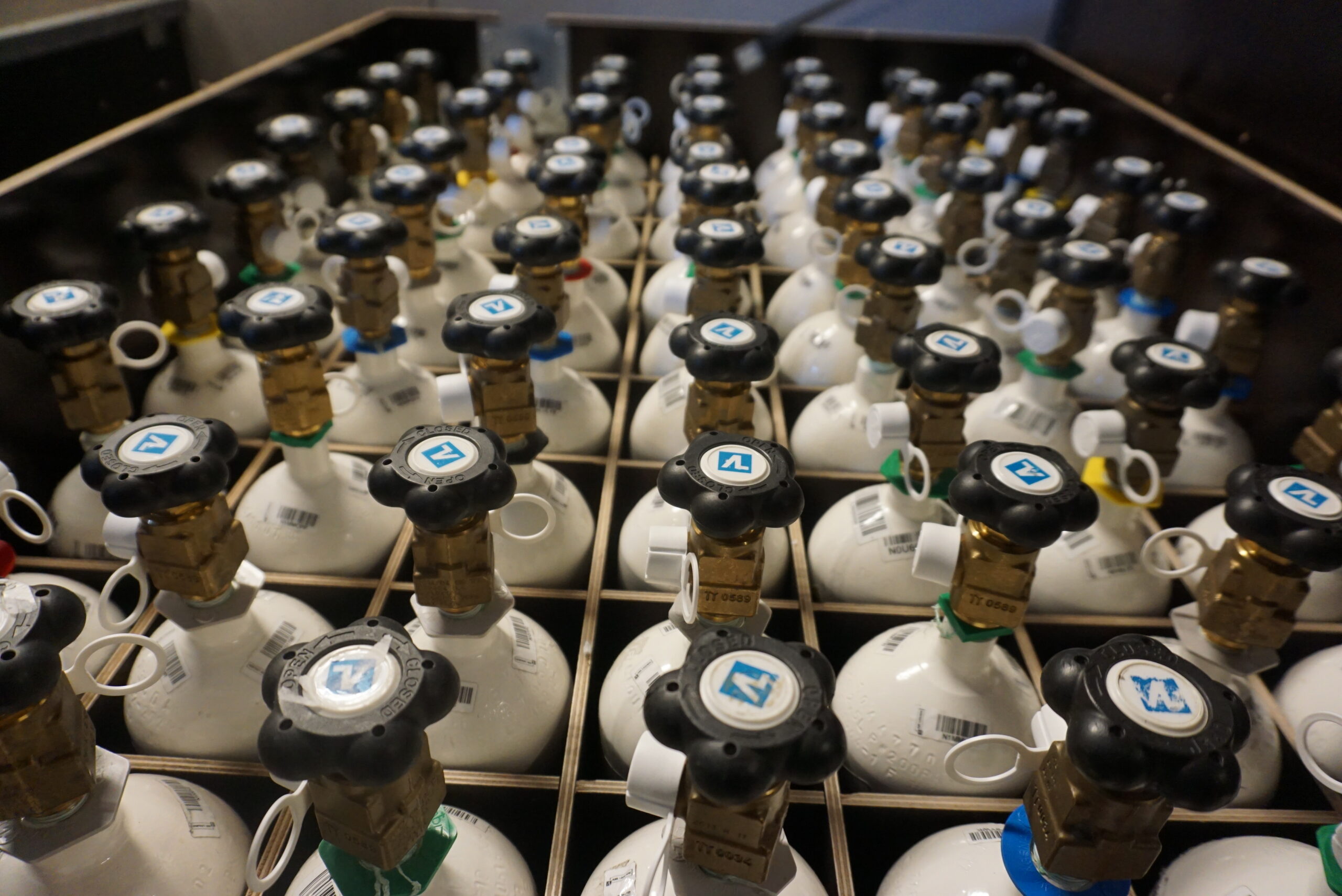
Emission reduction at Rigshospital — N2O
The purpose of this project was to reduce greenhouse gas emissions from the use of N2O as a pain reliever at the maternity department at Rigshospitalet. At the time the hospital utilized approximately 4.5 tonnes of N2O annually. As N2O has a GWP-value of 273 it is a huge contributor to the hospital’s total emissions. Meanwhile, N2O is a highly valuable pain relief during labour and have, based on findings, been deemed irreplaceable for both patients and midwives. Based on Unruh’s “Understanding lock-in” (Unruh, 2000) theory, we identified organizational, institutional and technological sub-sources have over time constructed a Techno-Institutional Complex. Three concept proposals were identified and proposed: A technical End-of-Pipe solution “N2O Destructor”, the concept of improving patient experience in order to increase birth hormones which has shown to reduce the need for pain relief, and lastly a concept of re-circulation of the used gas. We did research, field visits, interviews, workshops and collaborated closely with environmental consultants at Rigshospitalet.
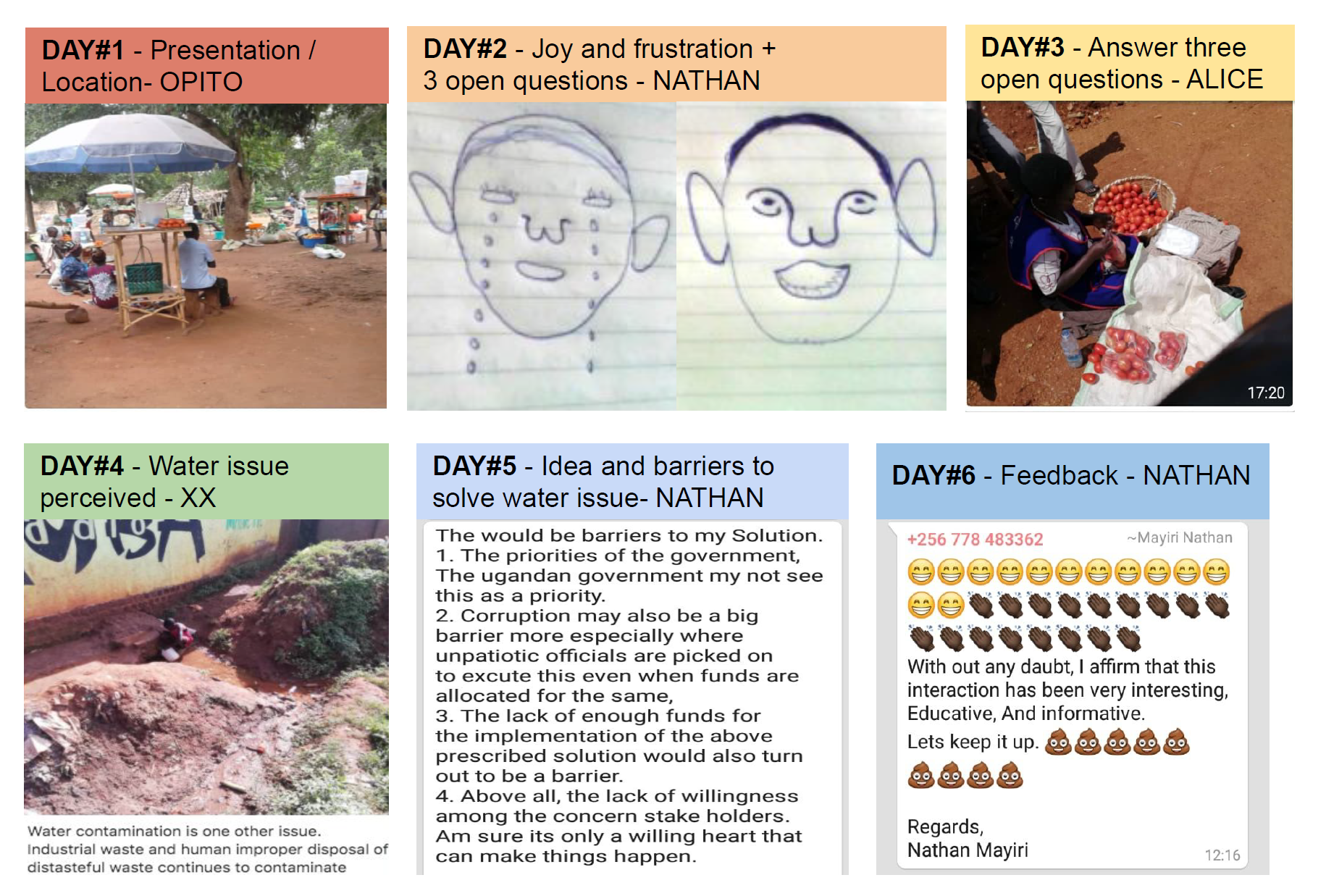
Co-design through WhatsApp — Waterpump in Uganda
This project took place during the COVID19 pandemic in 2020, which means that all parts of the project cycle were digital/online and somewhat experimental. We collaborated with a small danish company, Much More Water, who had a prototype of a bike water pump to be installed in rural Uganda. Nevertheless, much literature about development projects in particularly African countries underline the issue with long term maintenance and success of technologies installed by outside companies. Our focus was to reach out and get an assessment of such a concept, with local people in the region. We created a 5‑day-challenge to gather insights and gamify our knowledge exchange with locals. The needs assessment resulted in key insights for further development of the product and business proposal from Much More Water.
Forest protection through GIS & indigenous community empowerment
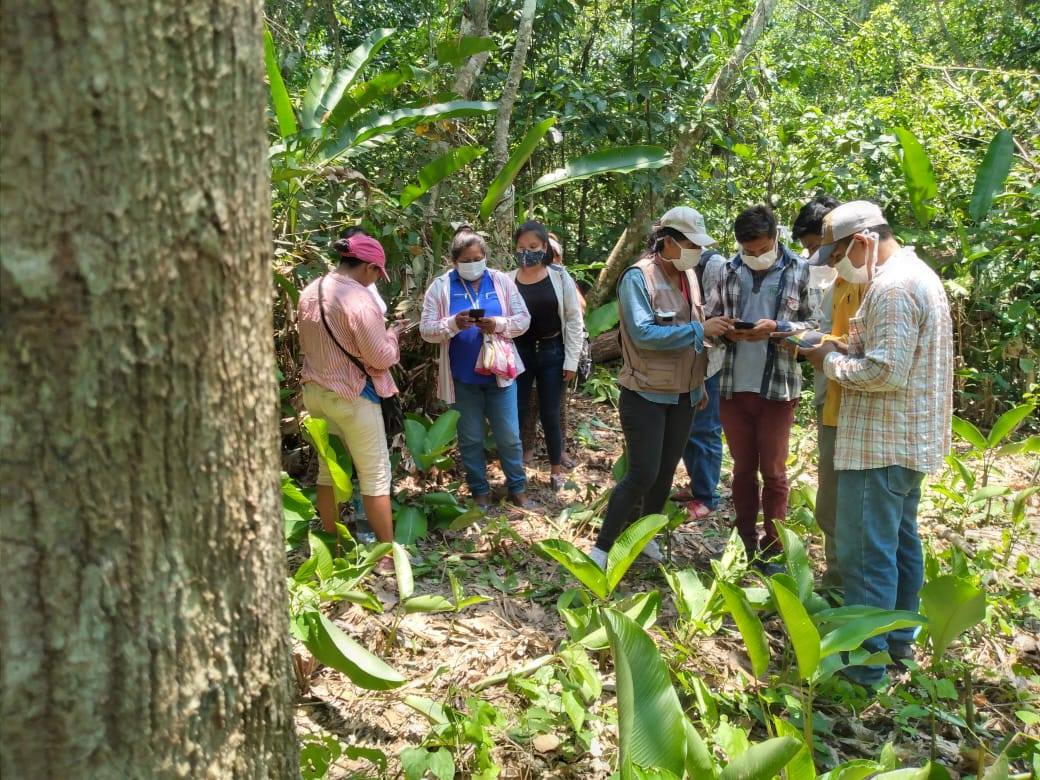
We collaborated with IWGIA, an international NGO who advocates and supports indigeneous communities worldwide. We focused on supporting their partner prganisation CPTA, a local Bolivian organisation, which provide capacity training for indigenous communities in the rainforests of the TIM region. Although the project was envisioned to be done with physical presence in the field, the pandemic kept us working online. We supported in finding strategies to improve their involvement, engagement and overall thinking form a sustainability stand-point. We proposed ways where they could ensure long-term benefit for the indigenous people, once their project would terminate.
We conducted online interviews, workshops and attended their trainings. Furthermore, due to the language barrier, we also engaged 5 volunteer student translators from Aarhus University, who helped us with transcripts from Spanish — English.
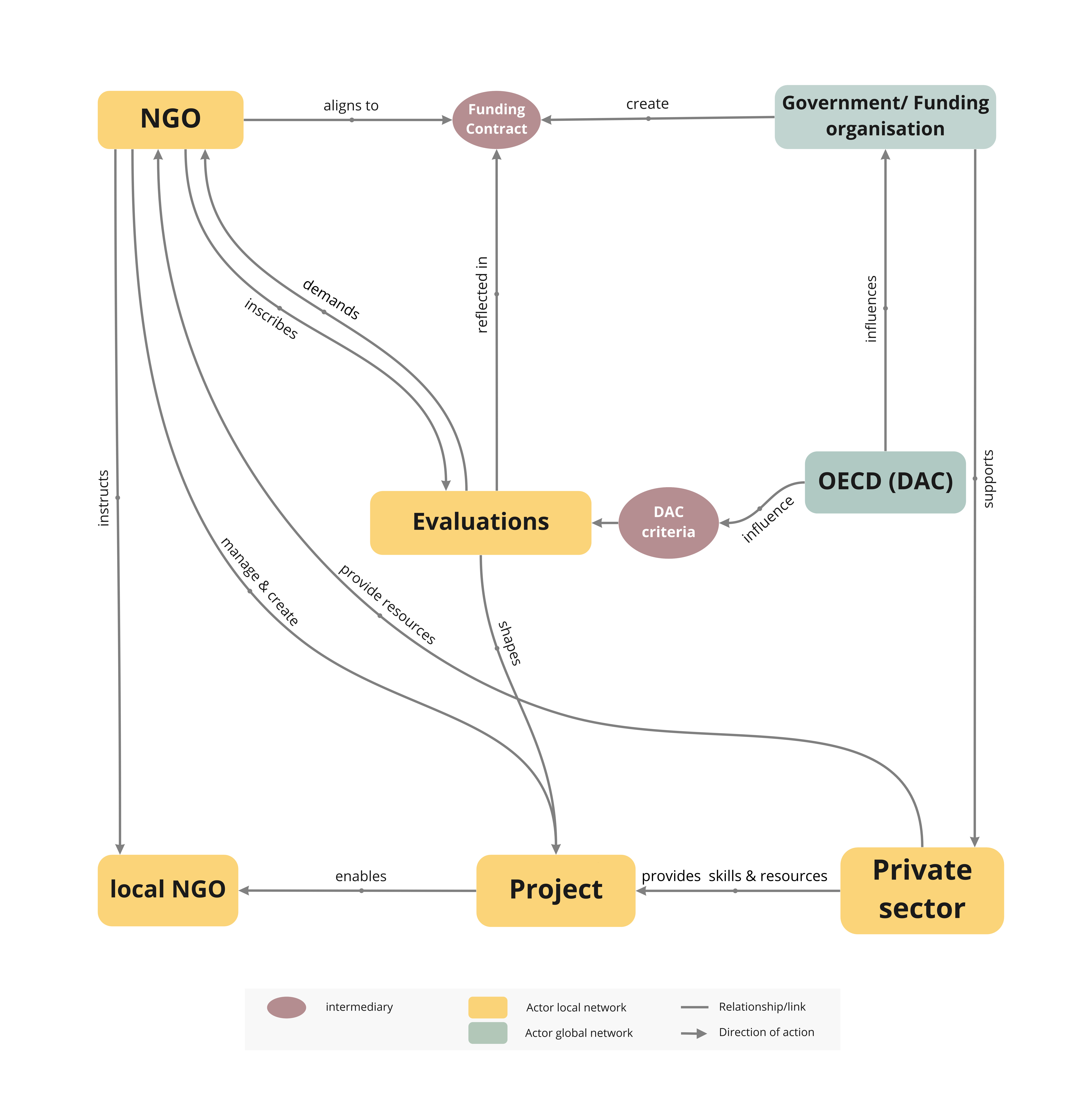
Study of the funding, design and evaluation systems of government funded development — NGOs
In this project we explored the following question: How might NGOs navigate the tensions created within the governmental funding system to design sustainable international projects? To grasp the development field, we engaged and staged ‘negotiation’ spaces as interactive digital interviews with various NGOs e.g. CARE, DanChurch Aid, Periamma, WWF and more. Through this project we outlined the tensions of living up to the pre-written contracts and expectations as fund-receiving organisation vs. the high unpredictability nature of the context these projects usually take place. We propose three concepts ideas to further approach the strategies and aiming to reconfigure the networks, with notions from Autonomous Design (Escobar, 2017) and Participatory Design.